
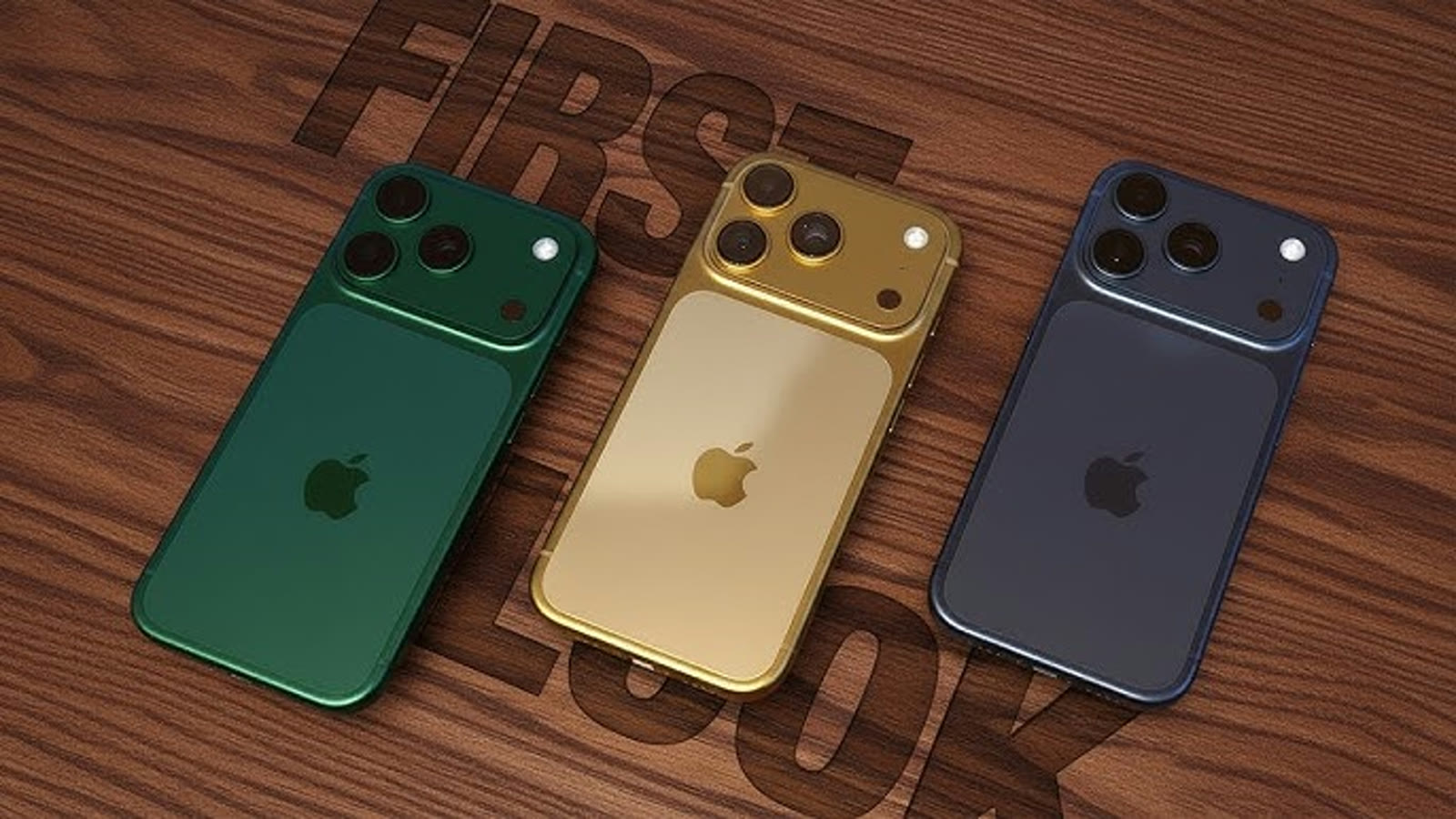
If you already own an iPhone 17 Pro, this is the only question worth answering: does the iPhone 18 Pro do anything your phone cannot, badly enough to justify spending about ₦2.5 million in Nigeria?
Short answer: for most people, no. For photographers and heavy users, maybe. Here is the detail.
Price note: naira figures are estimates from Nigerian sellers dated 10 September 2026, not official Apple Nigeria prices.
What actually changed
| iPhone 17 Pro | iPhone 18 Pro | |
|---|---|---|
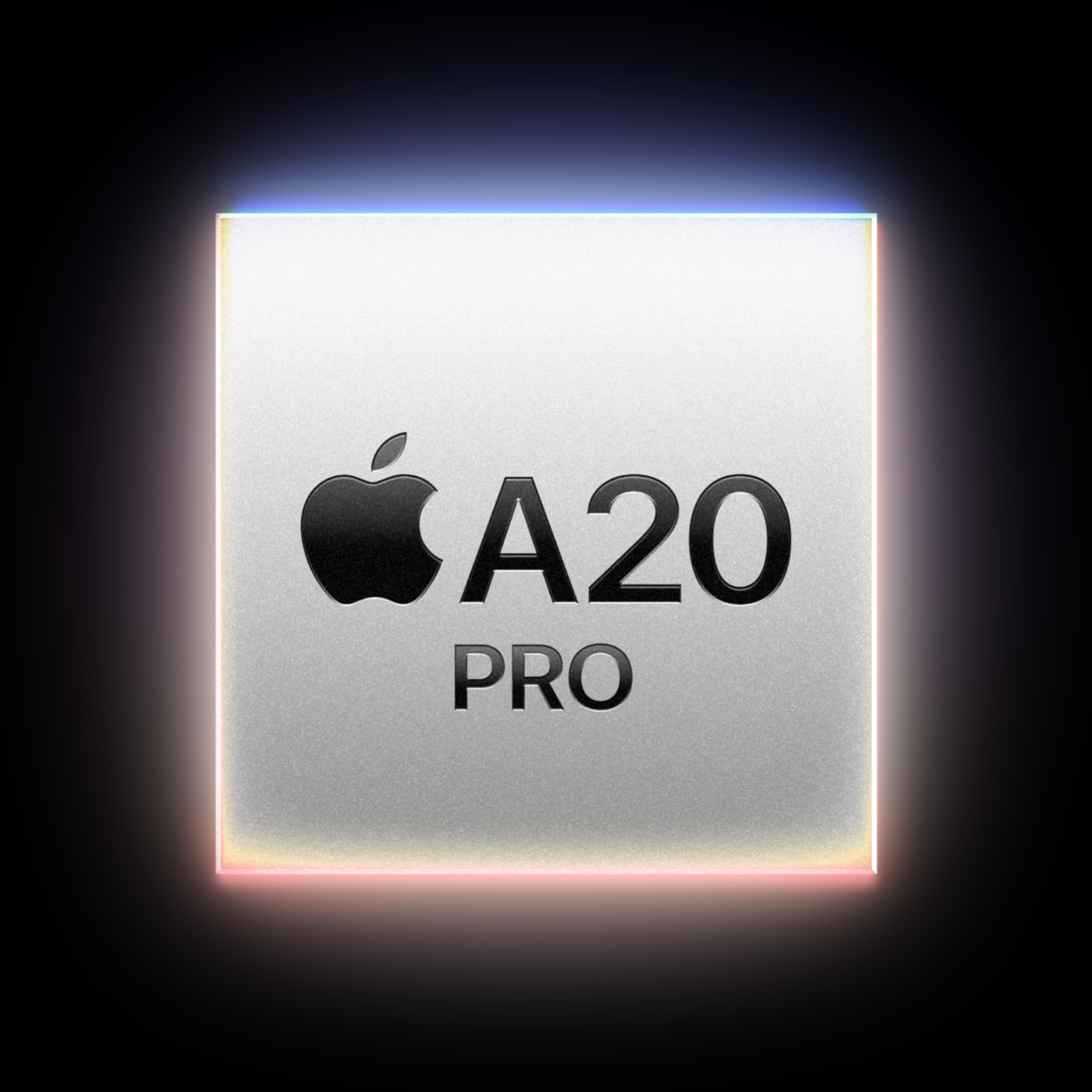
| Chip | A19 Pro | A20 Pro, 2nm |
| GPU | baseline | up to 40% faster |
| Memory bandwidth | baseline | +50% |
| Neural Engine | previous generation | Dual 16-core, ~2x AI processing |
| Cooling | vapour chamber | new vapour chamber, 3x surface area, up to +40% sustained performance |
| Main camera | 48MP, fixed aperture | 48MP Fusion with variable aperture ƒ/1.48–ƒ/4 |
| Dynamic Island | larger | smaller, up to 3 Live Activities |
| Modem | C1X | C2, faster uploads, 15% less energy |
| Screen | 6.3-inch OLED 120Hz | 6.3-inch OLED 120Hz |
| Price (US) | $1,099 at launch | $1,199 |
Note the last row: this year's Pro is $100 more than last year's was at launch, and £100 more in the UK.
The camera is the real upgrade
The iPhone 18 Pro's 48MP Fusion Main camera is the first iPhone camera that physically changes its aperture. Six laser-cut blades, moved by a new rotor mechanism, shift between four settings:
- ƒ/1.48 — the widest, for dark rooms and night shots
- ƒ/1.8 — Apple's chosen balance for portraits
- ƒ/4 — the narrowest, keeping everyone in a group photo sharp from front to back
On the 17 Pro, depth of field was fixed and software did the rest. On the 18 Pro the physics change, which is a genuinely different thing. Add a new sensor, a new computational imaging pipeline, manual Pro controls with a live histogram, and Apple Reference Image — which signs sensor data so you can prove a photo was not manipulated — and you have the first meaningful iPhone camera jump in several years.
If you take photographs for money, this is the upgrade. Read what variable aperture actually means before deciding.
Sustained performance matters in Nigerian heat
Peak benchmark numbers are marketing. What matters here is what happens after fifteen minutes of 4K recording at 33°C. Apple moved the memory out of the chip's thermal path and tripled the vapour chamber's surface area, claiming up to 40% better sustained performance.
In practice that means less thermal throttling, fewer "iPhone needs to cool down" moments, and steadier frame rates in long gaming sessions. Our guide on surviving Nigeria's heat and power conditions goes deeper.
Battery: better, but you already had good battery
The 18 Pro is rated up to 36 hours of video playback on eSIM-only models, and charges to about 50% in 15 minutes. The 17 Pro was already a day-and-a-half phone for most people. This is an improvement, not a rescue.
What has not changed
- The 6.3-inch screen size and general shape
- Face ID
- USB-C
- 120Hz OLED
- The overall look, apart from the new burgundy finish and slightly smaller Dynamic Island
Anyone glancing at your hand will not know which one you own.
Should you upgrade? A straight answer
Upgrade if:
- You shoot photos or video professionally and variable aperture changes your work
- You record long video or game hard and hit thermal limits today
- Your 17 Pro is damaged, or your battery health has fallen below about 80%
- Resale on your 17 Pro plus a modest top-up gets you there
Do not upgrade if:
- Your 17 Pro works fine — it will receive iOS updates for years
- You mainly use WhatsApp, banking, social media and the camera casually
- Paying the difference means borrowing
Sell the 17 Pro and buy something cheaper if you have realised that a ₦2.5 million phone is not where your money belongs. iPhone resale values in Nigeria are strong; a clean 17 Pro can fund an excellent phone from our under ₦500,000 range with a great deal left over. See our alternatives guide.
If you do upgrade, do it safely
Buy from an established seller, check the IMEI, confirm the SIM arrangement and get a receipt. Our checklists cover it: things to check before buying and where to buy safely in Nigeria.