
This is the single most important question for anyone importing an iPhone 18 Pro into Nigeria, and the one most sellers gloss over.
The short answer: Apple sells two hardware variants. One has a physical SIM tray; one does not. Which one you get depends entirely on the country the unit was built for — not on where you happen to buy it.
Where Apple sells eSIM-only models
Apple's eSIM-only iPhone 18 Pro and iPhone 18 Pro Max are sold in:
Bahrain, Canada, Guam, Japan, Kuwait, Mexico, Oman, Qatar, Saudi Arabia, the United Arab Emirates, the United States and the US Virgin Islands.
Nigeria is not on that list. Neither is the UK, Germany, France, India or China. Units built for those markets keep a physical SIM tray.
So:
| Where the unit came from | SIM tray? |
|---|---|
| USA, Canada, Japan, UAE, Saudi Arabia, Qatar, Kuwait, Oman, Bahrain, Mexico | No — eSIM only |
| UK, Germany, France, India, China and most other markets | Yes |
| Bought from a Nigerian reseller | Usually yes — but confirm in writing |
Why this matters in Nigeria
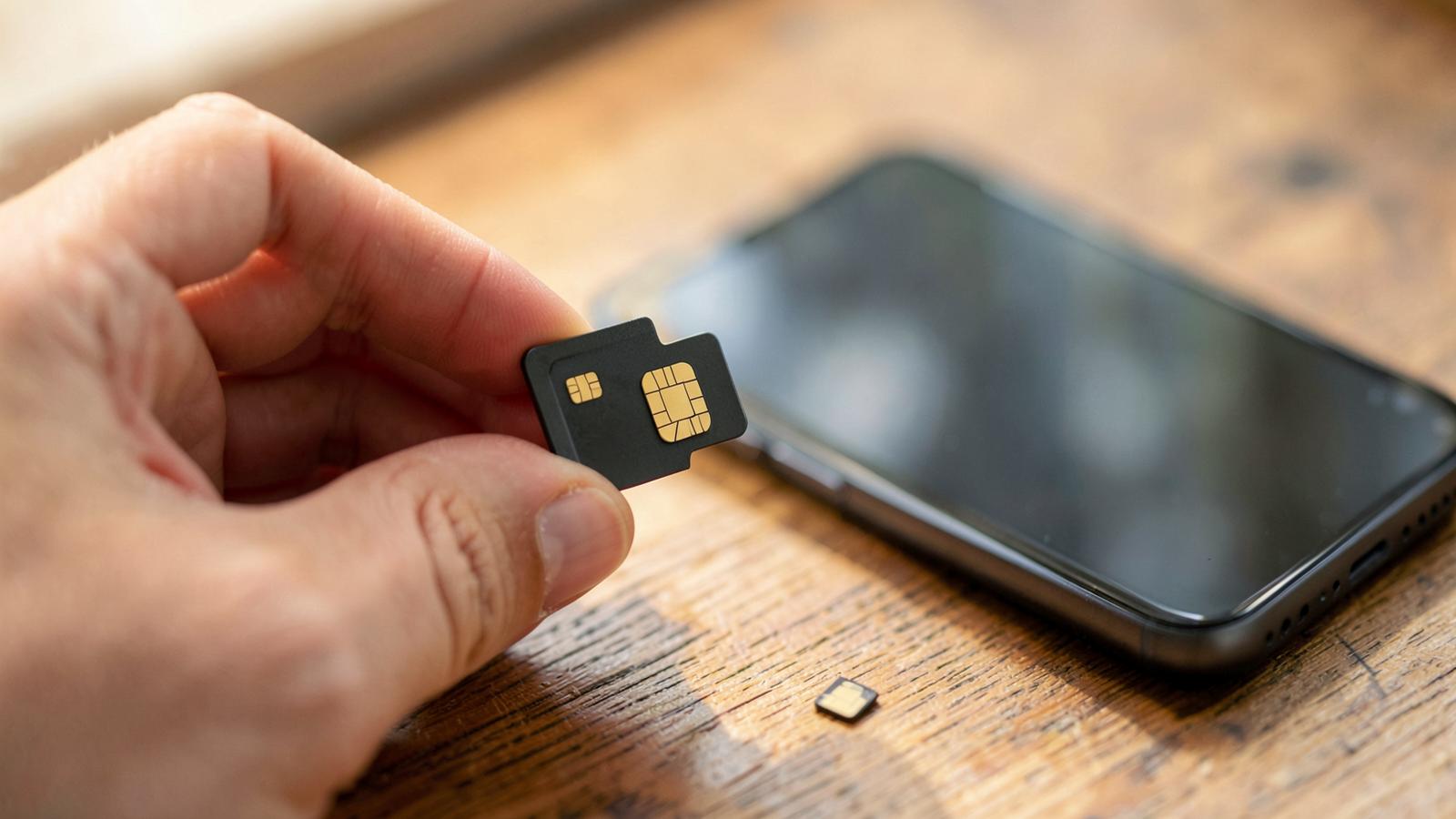
1. Not every Nigerian line is eSIM-ready. eSIM is an industry standard supported by over 500 carriers worldwide, and Nigerian operators do offer it — but support varies by carrier, by plan and by how well a particular service centre understands the process. A physical SIM works everywhere, every time.
2. Swapping lines is part of Nigerian life. Many people carry two numbers, or move a SIM into a spare handset when a phone dies, is being repaired, or is charging at home. With eSIM you must transfer the profile, which needs network support and sometimes a service-centre visit.
3. Travel and roaming. eSIM is actually better for travel — you can add a foreign data plan without touching a tray. If you fly often, eSIM-only is a feature, not a flaw.
4. Resale. In the Nigerian used market, an eSIM-only iPhone is harder to sell and usually fetches less, because buyers worry about exactly the issues above.
The battery trade-off
eSIM-only models use the space where the tray used to be for a larger battery — worth about two extra hours of video playback. That is how Apple gets to its headline figures of up to 36 hours (Pro) and up to 45 hours (Pro Max). Physical-SIM units are a little behind. See battery life and charging.
How to check before you pay
- Look at the frame. No tray, no slot. It is a ten-second physical check — do it before money moves.
- Check Settings. Go to Settings, then General, then About. The model number and the SIM section will tell you what the phone supports.
- Ask for the model number in writing on the receipt, along with storage and colour.
- Put your own SIM in, in the shop. Make a call. Load a page on mobile data. Do not accept "it will work".
- If it is eSIM-only and you still want it, call your carrier first and confirm they will provision an eSIM on your number, on your plan, today.
Our full list of checks is in things to check before buying an iPhone 18 Pro in Nigeria.
If you are choosing a country to buy from
Cheapest is usually the US — but US units are eSIM-only. UK units cost more but keep the tray. That trade-off is laid out with prices in iPhone 18 Pro price in the UK, USA and Nigeria compared and what it costs to import.
Our recommendation for most Nigerian buyers: buy a physical-SIM unit unless you specifically want eSIM and have confirmed your carrier supports it. The two hours of extra video playback are not worth the day you spend in a service centre.
And if this is all sounding like hard work
Every phone we list at AffordablePhones.ng is sold in Nigeria, takes a Nigerian SIM, and costs between ₦60,000 and ₦500,000. Start with the phone price checker or see iPhone 18 Pro alternatives.