
There is no power adapter in the iPhone 18 Pro box. So the phone that cost you roughly ₦2.5 million will charge slowly out of an old plug until you buy the right one — and in Nigeria, where power is not guaranteed, charging kit is not an afterthought.
Price note: naira prices here are Nigerian market estimates dated 10 September 2026 and vary by vendor.
What the phone can actually do
Apple's confirmed figures:
- About 50% charge in 15 minutes wired
- About 50% in 30 minutes wirelessly with a compatible charger
- On the Pro Max, five minutes of wired charging gives roughly seven hours of video playback
- Up to 36 hours video playback on the Pro, 45 hours on the Pro Max (eSIM-only models)
Those speeds need a proper USB-C Power Delivery charger. A random 5W plug will not get you there.
The wall charger
Buy a USB-C Power Delivery adapter. Practical guidance:
- Aim for 30W or more for a single phone. Higher wattage does not damage the phone; iOS draws what it wants.
- A dual-port 45W to 65W charger is better value — phone and a second device, or a laptop later.
- Choose a known brand. Cheap unbranded adapters are the leading cause of ruined phone electronics in this market, and Nigerian mains voltage is not gentle.
- Get a USB-C to USB-C cable rated for the wattage. A weak cable throttles a good charger.
Avoid: unbranded market plugs, anything with a burnt smell or loose pins, and old Lightning cables — the 18 Pro is USB-C.
Wireless and MagSafe
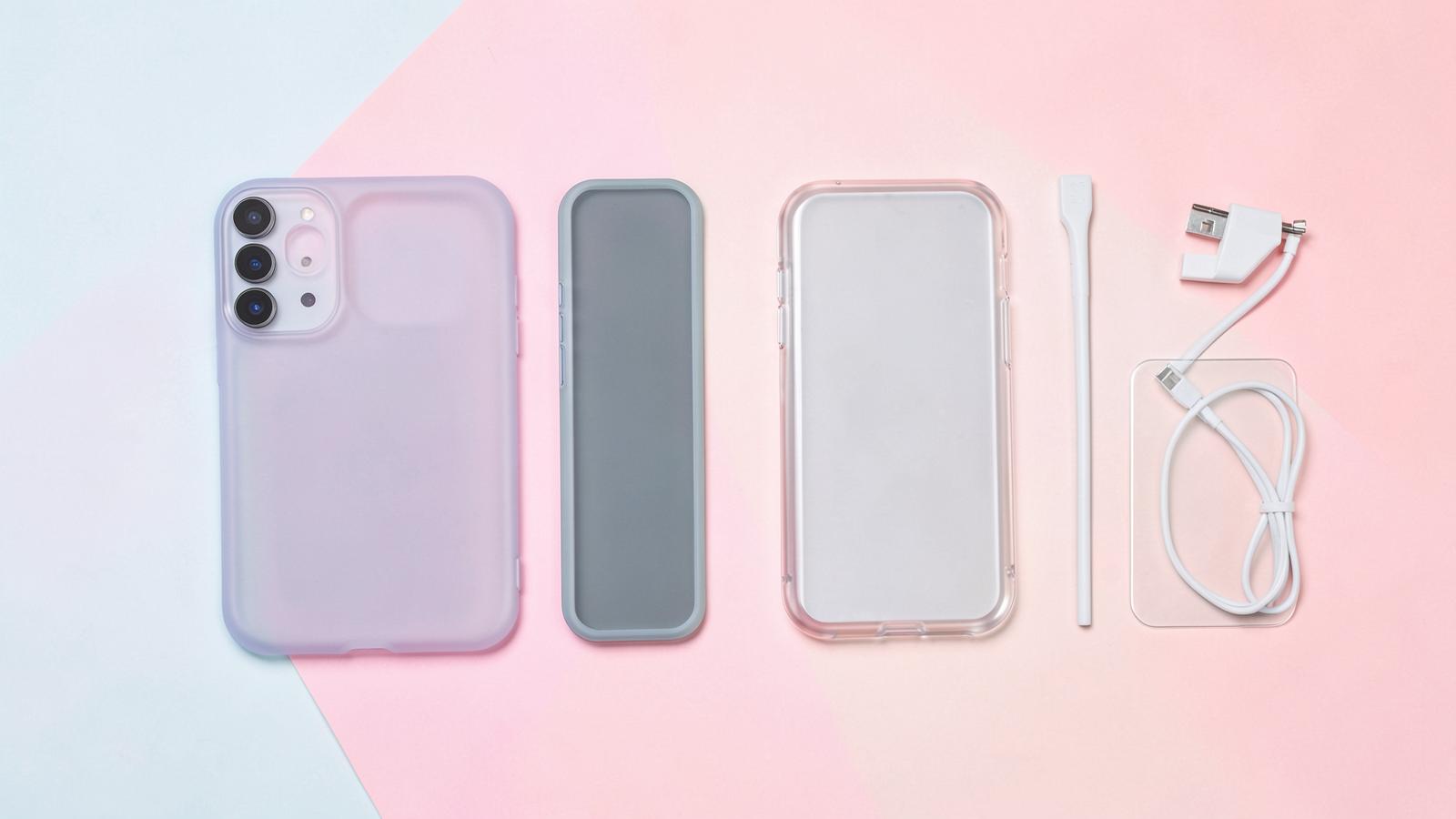
Magnetic wireless charging is convenient for a bedside or a desk, and reaches about 50% in 30 minutes with a compatible charger. Two Nigerian caveats:
- Wireless charging produces more heat than wired. In a 33°C room, charging wirelessly overnight is the worst case for long-term battery health. Wired is kinder.
- If your case is thick or not magnet-compatible, alignment suffers. See case picks.
Power banks: what to look for
- USB-C Power Delivery output, not just USB-A. This is what enables fast charging.
- 22.5W or higher on at least one port.
- Capacity matched to your day. 10,000mAh is roughly one extra full charge; 20,000mAh covers a weekend; 50,000mAh is for extended outages or charging several devices.
- Built-in cables if you routinely forget cables — one less thing to lose.
- Warranty and a seller you can return to. Batteries fail; that is when this matters.
Blunt power banks
Blunt Gadgets is owned and managed by Linus Williams, widely known as B-Lord. Blunt power banks are fast-charging, high-capacity units with integrated built-in cables and multi-device support, and they are widely available across Nigeria.
| Model | Notable feature | Typical price |
|---|---|---|
| Blunt 10,000mAh | 22.5W fast-charging outputs | around ₦21,000 |
| Blunt 10,000mAh Magnetic | Adds 15W max wireless magnetic charging | around ₦30,000 |
| Blunt 20,000mAh | PD and QC fast charging, built-in connectors | varies by vendor |
| Blunt 50,000mAh | Heavy-duty capacity with integrated cords | ₦29,500 to ₦43,000 |
Key features across the range: built-in Type-C and Lightning connectors, support for Power Delivery, Quick Charge and Super Charge Protocol up to 22.5W or higher on select ports, and frequently a 1-year limited manufacturer or vendor warranty.
Full details and photos: Blunt Gadgets.
What we would actually carry in Nigeria
- One good-brand 45W dual-port USB-C charger at home
- One braided USB-C to USB-C cable, plus a spare in your bag
- One 10,000mAh PD power bank for daily carry
- One 20,000mAh or larger bank at home for outages
- A magnetic pad on the desk, used during the day rather than overnight
Charging habits that protect the battery
- Charge wired when the room is hot; save wireless for cool conditions
- Take the case off during long fast charges
- Do not game while fast charging — see heat and power
- Leave optimised charging on, and top up during the day rather than draining to zero
And if battery life is your real problem
If the honest reason you are reading this is that your phone dies too early, a big-battery phone costs a tiny fraction of an iPhone 18 Pro: