Two different problems get confused in Nigeria. A clone is not an iPhone at all — it is an Android phone dressed up to look like one. A refurbished or repaired unit is a real iPhone that has been used, opened or rebuilt, then sold as new. Both take your money; the checks differ.
Price note: Nigerian iPhone 18 Pro quotes of around ₦2.5 million are retailer estimates dated 10 September 2026, not official Apple prices.
Spotting a clone
Clones are convincing in photos and obvious in the hand once you know where to look.
1. The software gives it away. Swipe into places clones never finish: Settings, then General, then Legal and Regulatory. Open Wallet. Open Find My. Clones crash, show blank pages or reveal Android layouts.
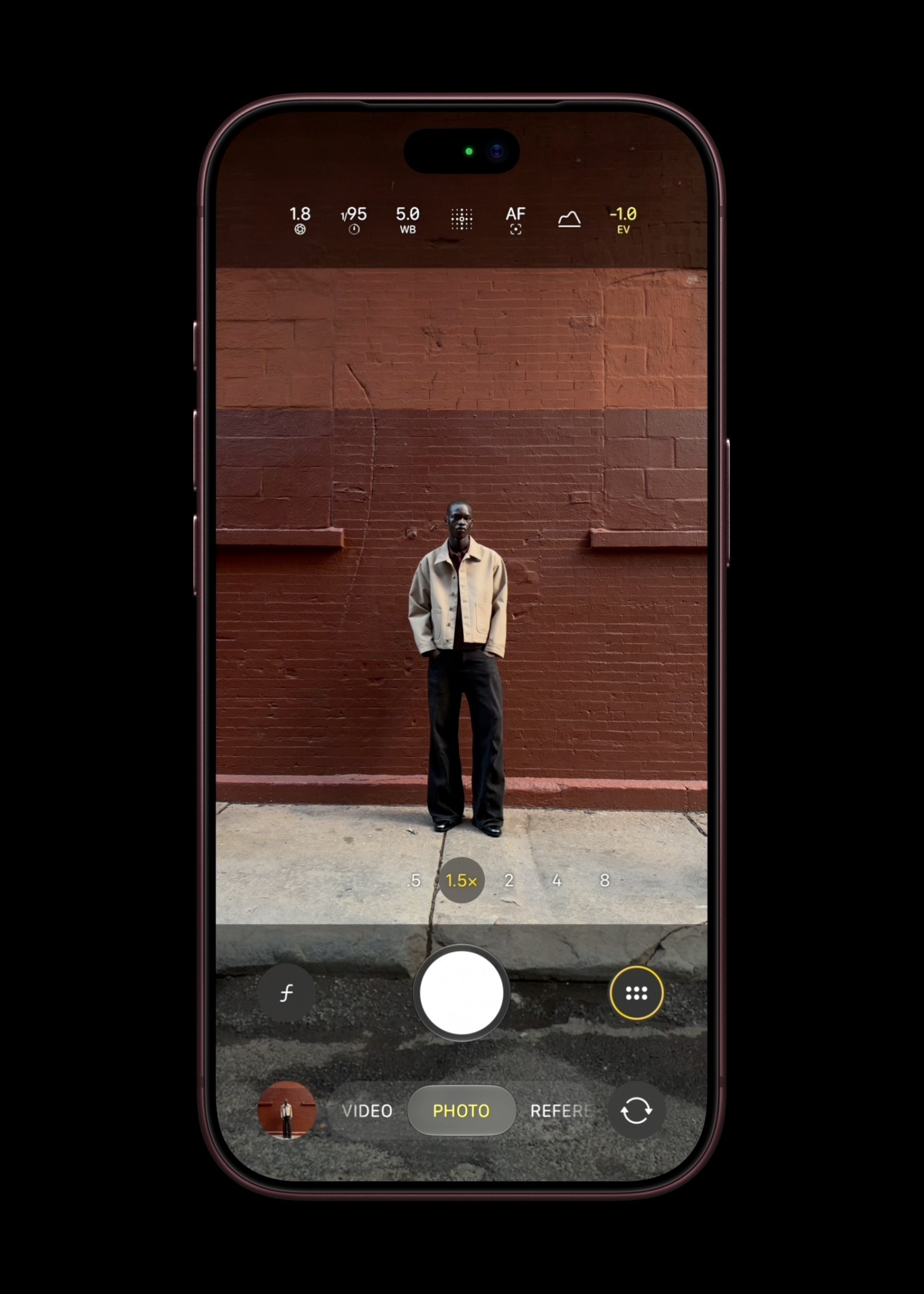
2. Aperture controls. The genuine 48MP Fusion Main camera offers aperture selection between ƒ/1.48 and ƒ/4, with six physical blades doing the work. Open Pro controls and look for it. A clone cannot fake the mechanism, only the icon. See what variable aperture means.
3. Settings, then General, then About. Check the model name and number, storage, and serial. Then check that serial and IMEI on Apple's own coverage page from your own phone. A clone's number will not resolve as an iPhone 18 Pro.
4. Dynamic Island behaviour. This year's is physically smaller and handles up to three Live Activities at once. Play music, start a timer, and watch what happens at the top of the screen.
5. Weight and finish. Real Pro models are dense and precisely finished. Clones feel light and the glass edges feel sharp or plasticky.
6. Face ID. Enrol your own face. Clones use ordinary front cameras and fail in a dark room.
Spotting a used or refurbished unit sold as new
1. Battery health. Settings, then Battery, then Battery Health. New means 100% and no service message. This single check catches most cases.
2. Cycle-free setup. A genuinely new phone starts at the "Hello" setup screen. If it boots straight to a home screen, someone has used it.
3. Activation Lock. If setup asks for another person's Apple Account, the phone is locked to them and worthless to you. Stop there.
4. Screws and seams. Look at the two screws beside the charging port and the seam where the screen meets the frame. Marks, mismatched screws, an uneven gap or glue residue mean it has been opened.
5. Screen tint and brightness. Replacement panels often differ subtly in colour and never quite match Apple's brightness behaviour. Compare a full-white image and a full-black one.
6. Camera glass. Check for hairline scratches, internal dust or a wobbly lens. Take a photo at every zoom level and look for softness on one lens only.
7. Water and repair history. Ask directly, in writing on the receipt: has this device ever been opened, repaired or replaced?
8. Accessories. Apple ships no power adapter. A box containing an unbranded charger has been repacked.
9. The box itself. Compare the printed model, storage and colour to the phone in Settings. Mismatch means the box and phone were paired by a seller, not by Apple.
What "UK used" really means
In Nigeria "UK used" is a legitimate, widely accepted category — a genuine second-hand import. That is fine, provided you are paying second-hand prices and know the battery health and repair history. It is only fraud when it is described as new. See UK used prices.
The three warning signs before you even see the phone
- Price far below market. Nigerian quotes cluster around ₦2.5 million for the 256GB Pro. Something at half that is either not an iPhone 18 Pro, or not the seller's to sell.
- No physical address. Social-media-only sellers with new accounts and stock photos.
- Pressure. "Last one", "another buyer is coming", "pay now to hold it". Real businesses let you check the phone.
Your checks, in order, in the shop
- Open the box in front of the seller
- Complete setup — watch for Activation Lock
- Settings, then General, then About: model, storage, serial
- Verify IMEI on Apple's coverage page
- Battery Health must read 100%
- Test aperture controls, all cameras, Face ID, speakers, charging
- Inspect screws, seams and screen edges
- Get model, storage, colour, IMEI and price on a receipt with a business address
Full version: things to check before buying.
A calmer alternative
If this feels like too much to police for ₦2.5 million, that is a reasonable conclusion. Every phone we list costs between ₦60,000 and ₦500,000 and comes from Nigerian sellers with receipts and stated returns. Start with phones under ₦500,000 or alternatives to the iPhone 18 Pro.